About this interview:
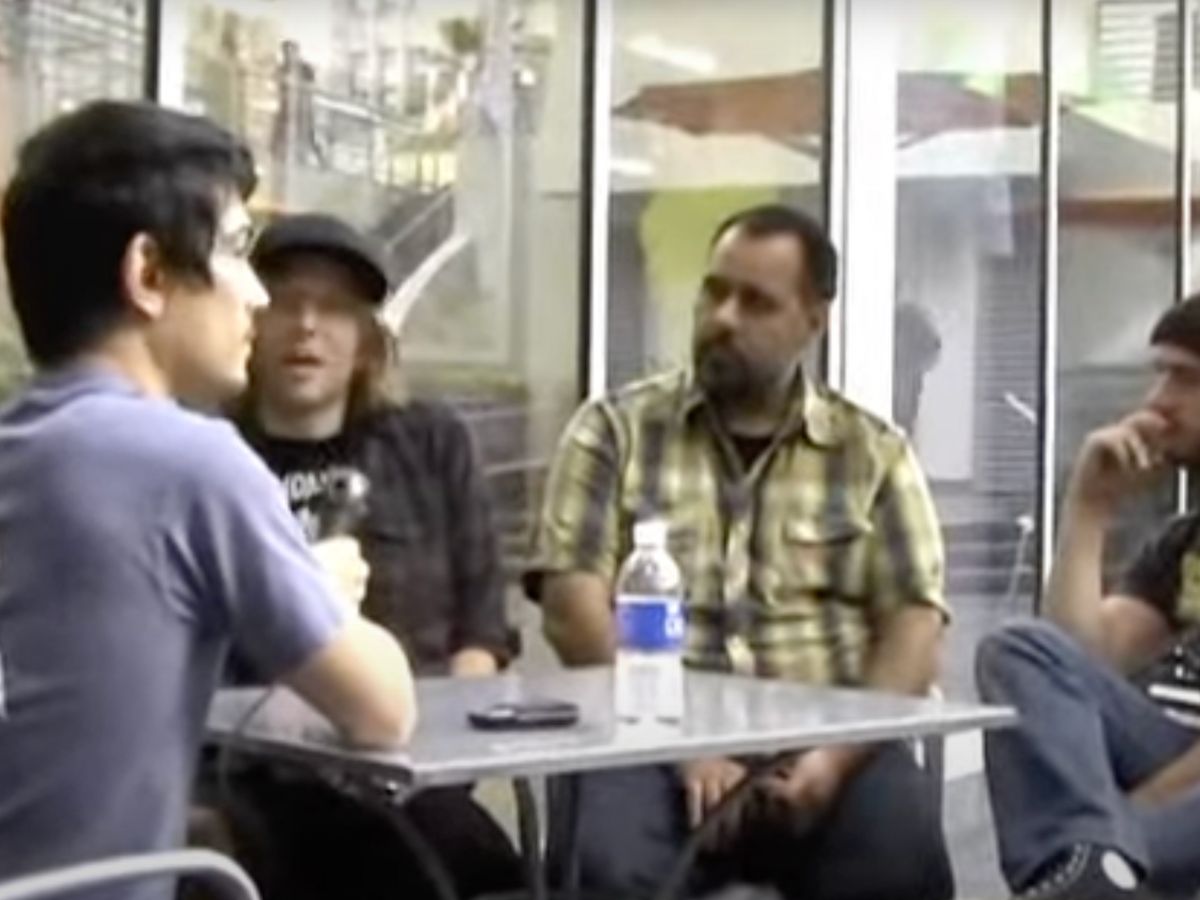
In a 2009 interview with Ryan Minic of Ryan’s Rock Show, Geoff Rickly, Tom Keeley, Tim Payne, and Steve Pedulla of Thursday reflect on their career, the unexpected success of “Understanding in a Car Crash”, and how the music industry has shifted over the years.
The band discusses their early days on Eyeball Records, never imagining they’d achieve mainstream success. From humble beginnings—just being excited to see their posters in record stores—to touring with The Cure on the Curiosa Festival, playing Warped Tour, and sharing the stage with the Flaming Lips and Buzzcocks, Thursday experienced a meteoric rise in the early 2000s.
They recount the moment they first saw their music video playing at the House of Blues in Las Vegas, a surreal realization that their DIY beginnings had led to major airplay on MTV2. But despite their success, the band remained grounded, continuing to tour relentlessly, often spending nine months a year on the road. They share crazy tour stories, including watching Muse’s drummer jump a golf cart over garbage at Warped Tour.
The conversation also dives into label experiences, from signing with Victory Records (and the naïveté of trusting labels purely based on their roster) to the struggles of being on a major label like Island Records. The band explains how financial pressure from major labels created stress—labels would tell them they loved the album, but it wasn’t selling enough, leading to an unspoken pressure that affected their creative process.
Rickly and the band touch on the difficulties of staying in a band long-term, with ups and downs between members, creative burnout, and the struggles of being cooped up on tour for months at a time. They candidly discuss moments when they doubted whether the band would last, debating whether Thursday would survive year after year.
They also examine the shift in the music industry, comparing the rise of marketing-heavy bands in 2009 to the more organic, artist-driven landscape when they started. The difference? Many new bands seemed more focused on marketing gimmicks than songwriting, emphasizing PR strategies over musical substance. While they acknowledge that marketing itself can be an art form, they lament that bad marketing is just as prevalent as bad music.