
Tag: audio interviews
About this interview
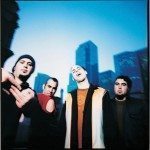
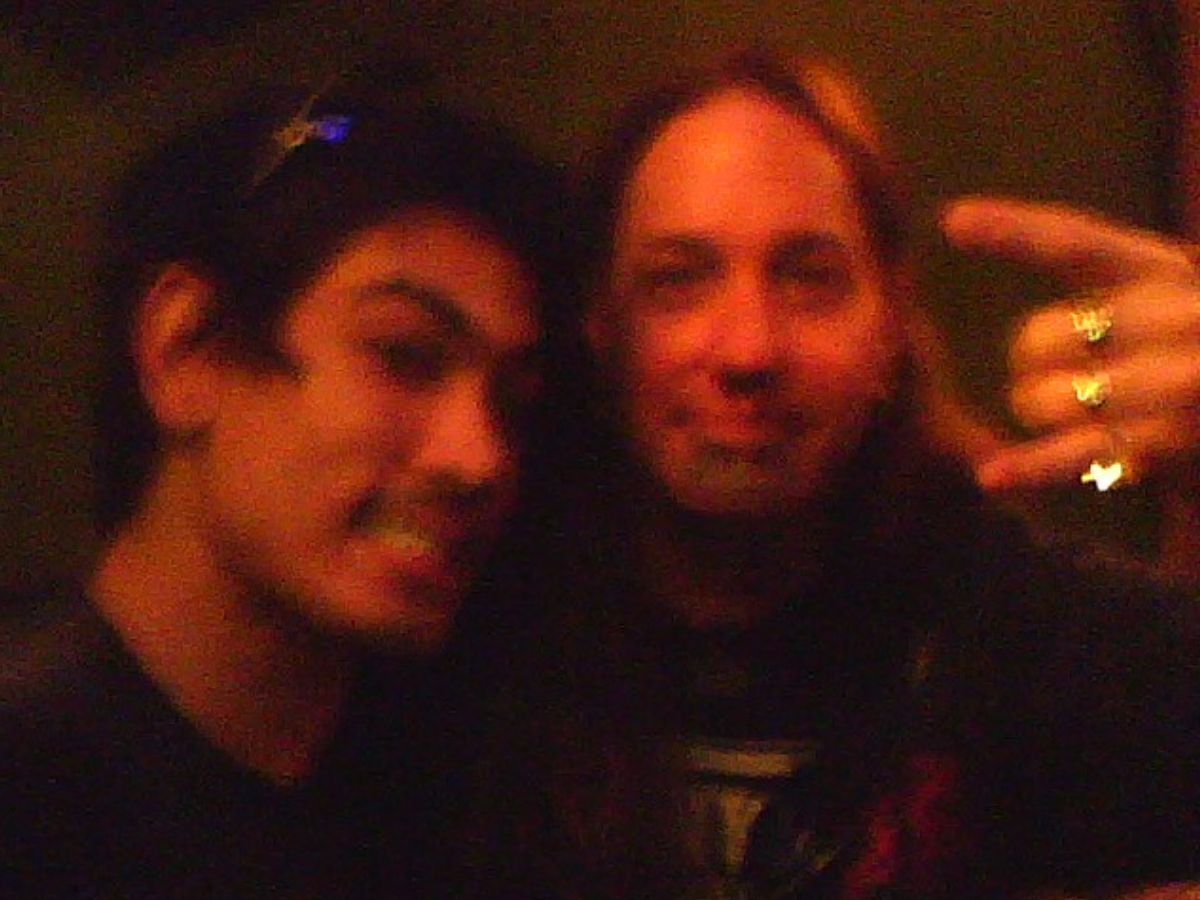
In a 2008 interview with Ryan Minic of Ryan’s Rock Show, Dez Fafara of DevilDriver reflected on his journey from Coal Chamber to fronting one of modern metal’s most consistent bands. He discussed his love for music, calling himself “blessed” to be able to do it twice—first with Coal Chamber and now with DevilDriver, selling out venues like the House of Blues with a new band.
Fafara recalled his early ambitions, revealing that he got his first tattoo at 15 and told his mother he was going to be a rock star. While he never imagined the level of success he would reach, he knew from a young age that music was his calling. However, he admitted there were moments when he considered walking away—especially during Coal Chamber’s final years when methamphetamine use tore the band apart. At one point, he debated retiring, having already toured with Ozzy Osbourne, Pantera, and Black Sabbath, but his wife encouraged him to continue pursuing his passion.
Discussing the evolution of the music industry, Fafara was vocal about his frustration with illegal downloads, blaming platforms like iTunes for allowing pirated music to be played on iPods. He predicted a future where music would be streamed directly from a satellite to prevent unauthorized copying. Despite the decline in record sales, he emphasized the importance of supporting underground artists who continue to make music out of love rather than financial gain.
On a personal level, Fafara talked about his belief in karma, his views on life and death, and his commitment to surrounding himself with positive people. He revealed that he is a vegetarian and touched on spiritual ideas, expressing skepticism about heaven and hell while believing in the weight of the soul. He also shared his admiration for blues legends like Robert Johnson, highlighting his deep appreciation for various styles of music beyond metal.
Looking ahead, Fafara expressed his hopes for DevilDriver to maintain strong friendships within the band, keep releasing records, and continue growing.
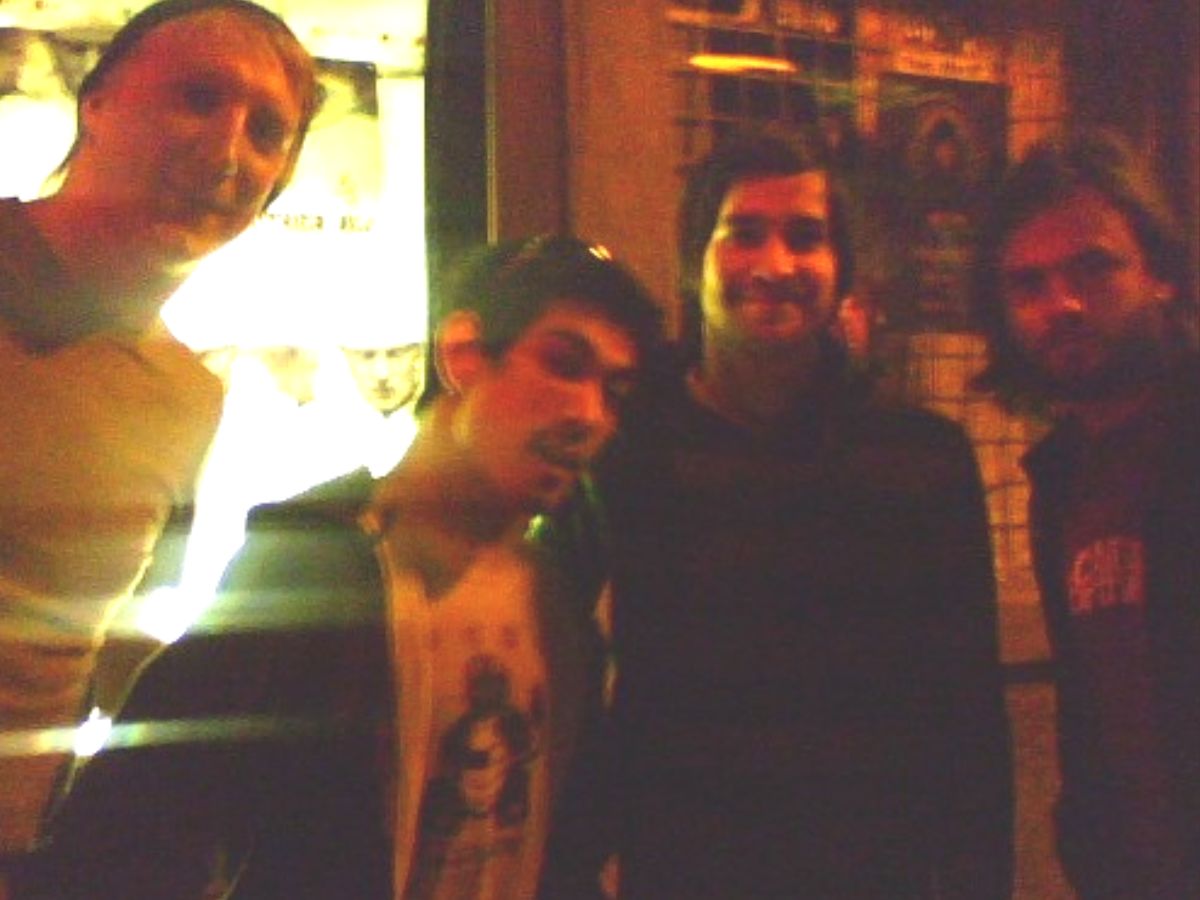
In a 2008 interview with Ryan Minic of Ryan’s Rock Show, Cody Bonnette and Colin Kimble of As Cities Burn offer a candid look into the realities of being a band in the ever-changing music industry. They discuss their early days of relentless DIY touring, booking their own shows using MP3.com and BYOFL before MySpace transformed how bands networked. They reflect on the challenges of navigating a heavily saturated scene where more bands are touring than ever, often competing for limited resources and struggling to make ends meet.
The duo shares insight into their journey from playing small shows to signing with Solid State Records, revealing the moment they nearly lost hope before securing a deal. They talk about the shifting landscape of the music industry, how digital downloads have impacted record sales, and the growing importance of merchandise and touring revenue for sustaining a band. Cody and Colin also dive into the politics of the industry—how labels and magazines shape public perception, why certain bands seem to rise overnight, and how image sometimes takes precedence over musical substance.
Throughout the conversation, they open up about their personal experiences with the pressures of touring, the emotional toll of chasing success, and the moments that have made it all worthwhile. From fan interactions to life-changing messages about how their music has helped people through dark times, they reflect on what truly matters in their career. They also give advice to young musicians hoping to break into the scene, cautioning against the illusions of instant success and emphasizing the importance of genuine artistry over fleeting trends.
Closing out the interview, the band shares thoughts on where the music industry is headed, whether physical CDs will eventually disappear, and how they’ve managed to stay grounded amidst the chaos of the scene.