Tag: video interviews
About this interview:
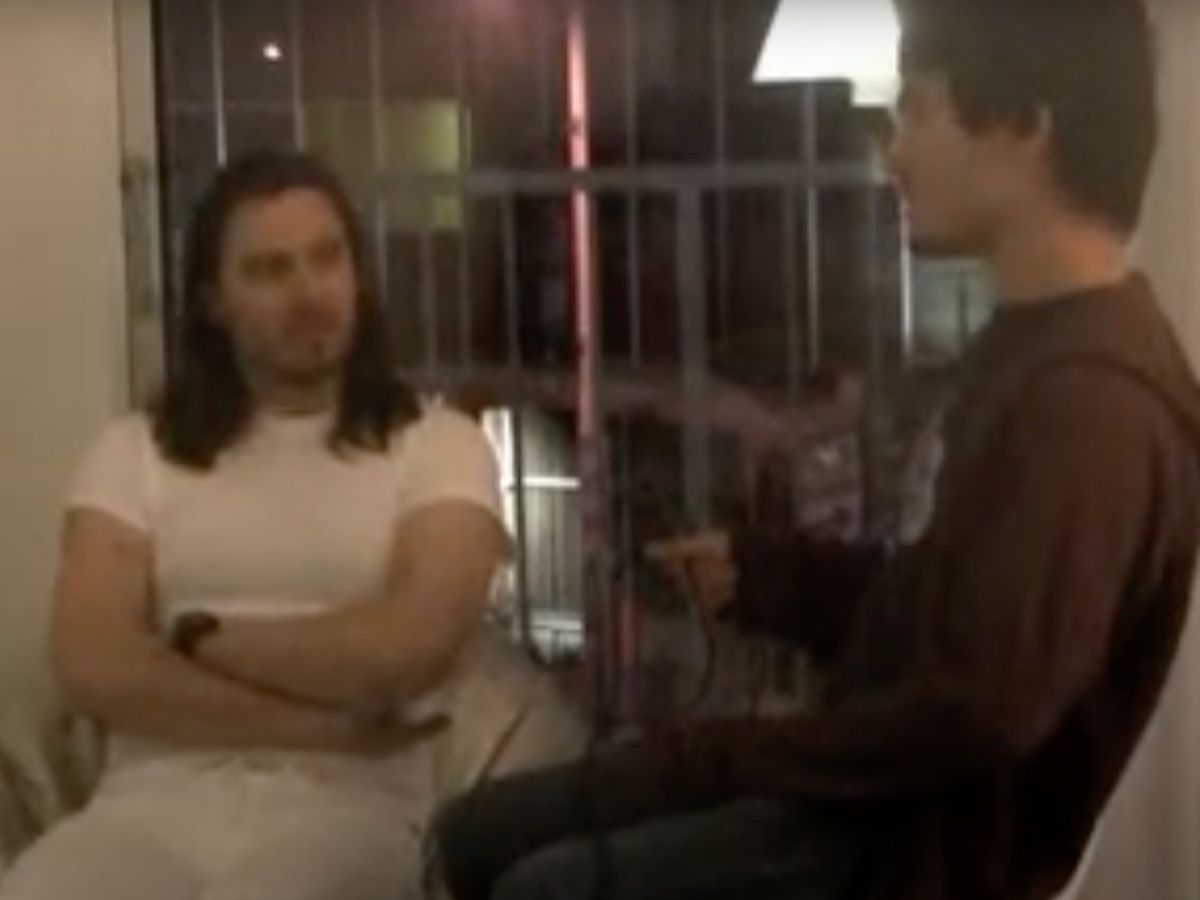
In a 2009 interview with Ryan Minic of Ryan’s Rock Show, Andrew W.K. shared insights into his journey from a teenage music enthusiast to a rock icon and motivational speaker. He recalled his early love for death metal, citing Obituary as a lifelong favorite, and how drummer Donald Tardy ultimately played a pivotal role in building his band. W.K. recounted the bold move of writing Tardy a letter, which unexpectedly led to a phone call and the start of their collaboration—an experience that reinforced his belief in chasing seemingly impossible dreams.
Reflecting on his early years, he discussed moving to New York at 18, where he worked odd jobs, including selling vending machines and attempting to land a gig as a bar pianist. His struggles with moral dilemmas, including a past of stealing and scamming, came to a head when he was mugged—a moment that prompted him to reassess his life and commit to living with integrity. He also shared how a psychologist once diagnosed him with having a “devilish side,” an observation that challenged him to channel his energy into positivity rather than destruction.
W.K. detailed how his music career took off once he fully embraced his vision, emphasizing the importance of saying “yes” to opportunities without hesitation. This approach led to his record deal, and eventually, his unexpected transition into motivational speaking. His first lecture at NYU in 2005, intended to be a small event, drew a massive crowd and sparked a new career path, leading him to deliver speeches at universities like Yale and conferences such as CMJ.
Beyond music, he spoke about his record label and his excitement in signing new artists. Throughout the conversation, W.K. maintained his signature enthusiasm, reinforcing his philosophy of relentless positivity, personal growth, and the power of embracing life’s unpredictability.
About this interview
In a 2009 interview with Ryan Minic of Ryan’s Rock Show, Glassjaw members Daryl Palumbo, Justin Beck, and Manuel Ragoonanan Carrero reflected on their long history, creative struggles, and frustrations with the music industry. They admitted this was their first on-camera interview together in seven years, emphasizing how much they had avoided the spotlight over the years.
The band discussed their early days, forming in 1993 with a simple goal—playing hardcore shows and putting out an EP. However, their first attempts at recording were disastrous. They recalled being sent home from the studio by a producer who bluntly told them they weren’t ready, a humbling moment that taught them the importance of being well-rehearsed before stepping into a recording session.
Despite always taking their music seriously, Glassjaw never approached their career with a traditional “band cycle” mindset. They resisted the write-record-tour-repeat formula that most bands followed, preferring to do things on their own terms. Beck explained that they never set out to chase industry success, but rather to make music they genuinely enjoyed. Even as they grew in popularity, they never had a plan to tour for years straight or become part of a corporate label system.
When they were first offered a record deal, they initially told the label to “go f— themselves,” as getting signed was seen as a taboo in their DIY hardcore scene. However, after much persuasion, they eventually signed and worked with producer Ross Robinson on their debut album. Reflecting on that experience, they credited Robinson with teaching them how to convey raw intensity in their recordings. He pushed them to exaggerate emotions and energy in the studio, much like how actors amplify expressions on film. His influence helped Glassjaw translate their chaotic live energy onto record.
The conversation shifted to their growing disillusionment with the music industry, particularly after signing with a major label. They admitted that once money, managers, and outside agendas got involved, the fun started to fade. Beck described how, after signing, the band lost control over their own decisions. The label assigned them a team—booking agents, lawyers, managers—without much input from the band. At first, they went along with it, but as they got older, they realized how much money was flowing to the wrong places while they were barely making anything. Palumbo noted that they were young and naïve, unaware of how business worked, and often scolded for asking questions about where their earnings were going.
One of the high points of their career came in 2005 when they broke away from industry expectations and started playing music purely for themselves again. That year, they streamlined the band down to a tight-knit core of members who shared the same vision. It was also the moment they realized they no longer had to be part of the record label cycle and could play for love rather than commercial success.
A particularly memorable moment for them was their first headlining show at Brixton Academy in London. Palumbo recalled being terrified before the show, assuming the crowd wouldn’t know their music, especially since their album wasn’t even out yet. But as soon as they played the first note, the entire venue erupted in song, with thousands of fans singing along. That moment, he said, was one of the best of his life.
However, they also expressed frustration with Roadrunner Records, particularly the label’s reissue of Everything You Ever Wanted to Know About Silence. The band was completely against the re-release, calling it embarrassing and poorly executed. Beck criticized the label for running basic EQ over old recordings and including demos that were never meant for public release, making it seem like new material when it wasn’t. He described the move as a cheap cash grab, emphasizing that it was done without the band’s input and felt spiteful.
Regarding new music, the band confirmed that they had material recorded but were stuck in a state of uncertainty due to past legal agreements. They expressed frustration that decisions they made at 21 years old were still affecting their ability to release music freely. However, their ultimate goal was simple—they just wanted to put out music on their own terms. Beck said that ideally, they’d be able to record a song on a Sunday night and release it by Monday morning, embracing spontaneity and artistic freedom.
About this interview:
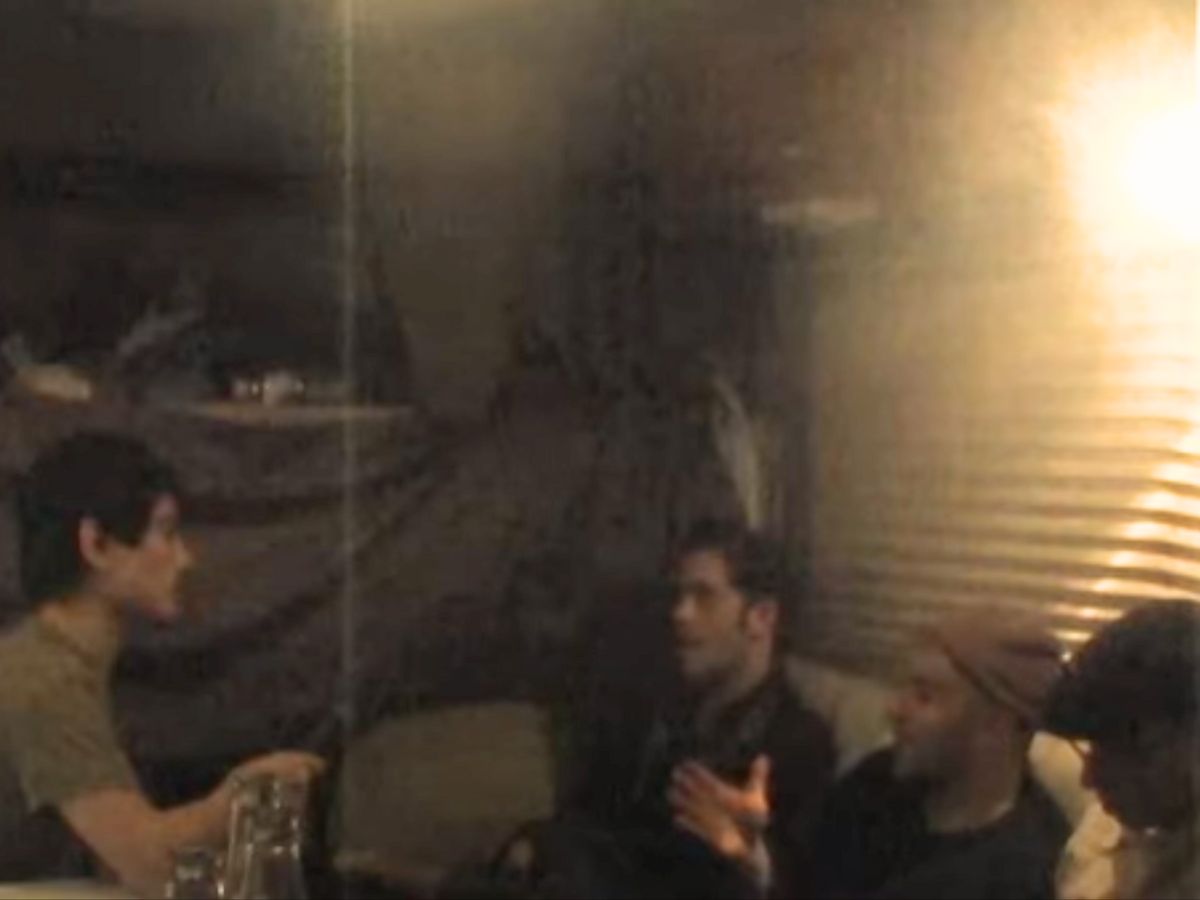
In a 2009 interview with Ryan Minic of Ryan’s Rock Show, Geoff Rickly, Tom Keeley, Tim Payne, and Steve Pedulla of Thursday reflect on their career, the unexpected success of “Understanding in a Car Crash”, and how the music industry has shifted over the years.
The band discusses their early days on Eyeball Records, never imagining they’d achieve mainstream success. From humble beginnings—just being excited to see their posters in record stores—to touring with The Cure on the Curiosa Festival, playing Warped Tour, and sharing the stage with the Flaming Lips and Buzzcocks, Thursday experienced a meteoric rise in the early 2000s.
They recount the moment they first saw their music video playing at the House of Blues in Las Vegas, a surreal realization that their DIY beginnings had led to major airplay on MTV2. But despite their success, the band remained grounded, continuing to tour relentlessly, often spending nine months a year on the road. They share crazy tour stories, including watching Muse’s drummer jump a golf cart over garbage at Warped Tour.
The conversation also dives into label experiences, from signing with Victory Records (and the naïveté of trusting labels purely based on their roster) to the struggles of being on a major label like Island Records. The band explains how financial pressure from major labels created stress—labels would tell them they loved the album, but it wasn’t selling enough, leading to an unspoken pressure that affected their creative process.
Rickly and the band touch on the difficulties of staying in a band long-term, with ups and downs between members, creative burnout, and the struggles of being cooped up on tour for months at a time. They candidly discuss moments when they doubted whether the band would last, debating whether Thursday would survive year after year.
They also examine the shift in the music industry, comparing the rise of marketing-heavy bands in 2009 to the more organic, artist-driven landscape when they started. The difference? Many new bands seemed more focused on marketing gimmicks than songwriting, emphasizing PR strategies over musical substance. While they acknowledge that marketing itself can be an art form, they lament that bad marketing is just as prevalent as bad music.